
Watercolor Painting Basics: A Beginner’s Guide to Creativity
Starting a new hobby can be thrilling, especially when it involves colors, brushes, and endless possibilities. Watercolor painting is one of those magical arts that invites you to explore your creativity with just a few simple tools. Whether you want to capture the beauty of nature or create abstract designs, watercolor offers a unique blend of control and spontaneity. Let’s dive into the essentials and get you painting with confidence!
Understanding Watercolor Painting Basics
Watercolor painting is all about using pigments suspended in water to create translucent layers of color. Unlike other painting mediums, watercolors are known for their lightness and fluidity. This means you can build up colors gradually, allowing the white of the paper to shine through and give your artwork a luminous quality.
To get started, you’ll need a few basic supplies:
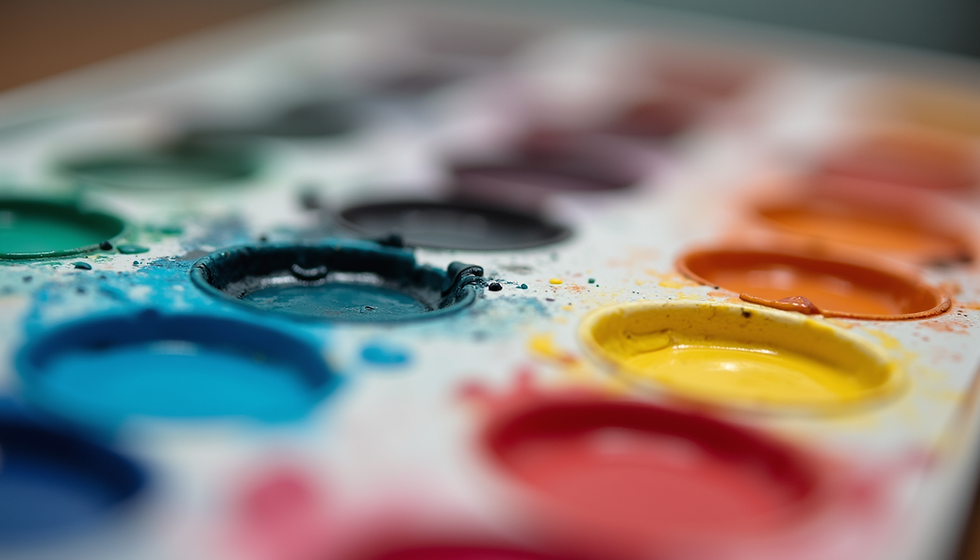
Watercolor paints: These come in tubes or pans. Tubes offer more pigment and are great for mixing, while pans are convenient and portable.
Brushes: Look for synthetic or natural hair brushes designed for watercolor. Round brushes in sizes 6 to 12 are versatile for most projects.
Paper: Watercolor paper is thicker and textured to absorb water without warping. Choose at least 140 lb (300 gsm) weight for best results.
Palette: A mixing tray to blend your colors.
Water containers: One for rinsing brushes and one with clean water for painting.
Paper towels or a cloth: For blotting and correcting mistakes.
The key to watercolor is mastering water control. Too much water can cause colors to bleed uncontrollably, while too little can make your paint dry too fast and look patchy. Practice mixing water and pigment to find the perfect balance.

Essential Techniques to Master
Once you have your materials ready, it’s time to explore some fundamental techniques that will help you create beautiful paintings:
Wet-on-Wet
This technique involves applying wet paint onto wet paper or another wet paint layer. It creates soft edges and beautiful blends, perfect for skies, water, or abstract backgrounds. To try this, wet your paper with clean water first, then drop in your paint and watch it spread naturally.
Wet-on-Dry
Here, you paint wet color onto dry paper. This gives you more control and sharper edges, ideal for details and defined shapes. It’s great for painting leaves, buildings, or any subject where precision matters.
Gradients and Washes
A wash is a large area of color applied evenly. You can create gradients by starting with a strong pigment and gradually adding water as you move across the paper. This technique is useful for backgrounds or skies.
Lifting
If you want to lighten an area or correct a mistake, you can lift paint by blotting with a damp brush or paper towel while the paint is still wet. This adds highlights and texture to your work.
Layering (Glazing)
Watercolors are transparent, so layering colors on top of each other can create depth and richness. Let each layer dry completely before adding the next to avoid muddy colors.
Tips for Choosing Your First Projects
Starting with simple subjects helps build your confidence and skills. Here are some ideas that are beginner-friendly and fun:
Leaves and flowers: Practice shapes and colors with natural subjects.
Simple landscapes: Try painting a sunset or a field with basic shapes.
Abstract patterns: Experiment with colors and brush strokes without worrying about realism.
Everyday objects: Paint a cup, a fruit, or a book to practice shading and form.
Remember, the goal is to enjoy the process, not to create a masterpiece right away. Each painting teaches you something new!

How to Care for Your Watercolor Supplies
Taking care of your tools ensures they last longer and perform better. Here’s how to keep everything in top shape:
Brushes: Rinse thoroughly after each use and reshape the bristles before drying. Avoid letting paint dry on the brush.
Paints: Keep your palette clean and cover your paints to prevent them from drying out.
Paper: Store unused sheets flat and dry to avoid warping.
Workspace: Keep your area tidy and organized to make painting more enjoyable.
Investing a little time in maintenance will save you frustration and keep your creative flow going strong.
Embracing Your Artistic Journey
Watercolor painting is a wonderful way to express yourself and relax. As you practice, you’ll discover your unique style and preferences. Don’t be afraid to experiment with colors, techniques, and subjects. Mistakes are part of learning, and sometimes they lead to unexpected beauty!
If you’re looking for a helpful resource to guide you through the early stages, check out this watercolor painting for beginners guide. It offers step-by-step instructions and inspiration to keep you motivated.
Keep your brushes wet and your imagination flowing. Happy painting!


Comments