
Elevate Your Skills with Watercolor Painting Lessons
Watercolor painting is a magical art form. It captures light, color, and emotion in ways that few other mediums can. If you’ve ever felt drawn to the soft washes and vibrant hues of watercolor, you’re not alone. I’ve been there too—starting with just a brush and a few tubes of paint, unsure of where to begin. That’s when I discovered the power of structured learning through watercolor painting lessons. These lessons transformed my approach, boosted my confidence, and opened up a world of creative possibilities.
Whether you’re a complete beginner or someone looking to refine your technique, watercolor painting lessons offer a fantastic way to elevate your skills. Let me take you through why these lessons are so valuable and how they can help you grow as an artist.
Why Watercolor Painting Lessons Make a Difference
Watercolor might look simple at first glance, but it’s a challenging medium. The paint flows unpredictably, colors blend in unexpected ways, and the paper can be unforgiving. Without guidance, it’s easy to get frustrated or stuck in a rut.
Watercolor painting lessons provide a structured path to mastering this medium. Here’s what you gain:
Step-by-step instruction: Lessons break down complex techniques into manageable steps.
Hands-on practice: You get to try out new methods with expert feedback.
Understanding materials: Learn which brushes, papers, and paints work best.
Creative confidence: Build your skills and trust your instincts.
Community support: Connect with fellow artists who share your passion.
I remember my first lesson vividly. The instructor showed us how to control water flow and layer colors without muddying them. Suddenly, what seemed like random splotches became intentional strokes. That moment was a game-changer!
If you want to explore this further, consider joining watercolor painting classes that fit your schedule and skill level. They can be a real boost to your artistic journey.
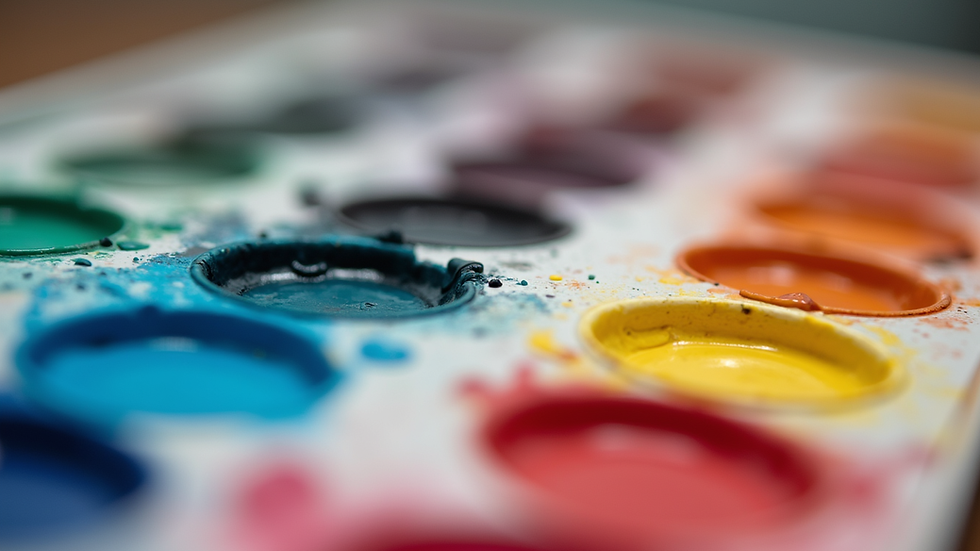
What to Expect from Watercolor Painting Lessons
When you sign up for watercolor painting lessons, you can expect a well-rounded experience that covers both the basics and advanced techniques. Here’s a typical breakdown:
1. Introduction to Materials and Setup
You’ll learn about different types of watercolor paints (tubes vs. pans), brushes (round, flat, mop), and papers (cold press, hot press, rough). Understanding these basics helps you choose the right tools for your style.
2. Basic Techniques
Lessons often start with foundational skills like:
Wet-on-wet: Applying wet paint on wet paper for soft edges.
Wet-on-dry: Painting wet paint on dry paper for sharp lines.
Gradients and washes: Creating smooth color transitions.
Lifting: Removing paint to create highlights.
3. Color Theory and Mixing
Watercolor painting lessons teach you how to mix colors effectively. You’ll explore primary, secondary, and complementary colors, and learn how to create harmonious palettes.
4. Composition and Design
Good paintings start with good design. You’ll practice sketching simple compositions and learn how to balance elements on the page.
5. Advanced Techniques and Styles
As you progress, lessons introduce glazing (layering transparent colors), dry brush effects, and texture creation. You might also explore different styles, from realistic landscapes to abstract art.
6. Critique and Improvement
Constructive feedback is key. Instructors help you identify strengths and areas for growth, guiding you to refine your technique.
These lessons are designed to be interactive and fun. You’ll often work on small projects that build your skills step by step.

What are the Four Pillars of Watercolor?
Understanding the core principles of watercolor painting can dramatically improve your work. These four pillars form the foundation of every successful watercolor piece:
1. Water Control
Mastering how much water you use is crucial. Too much water can cause colors to bleed uncontrollably, while too little can make your paint dry too fast and look patchy. Learning to balance water and pigment is the first step to control.
2. Color Mixing
Watercolors are transparent, so mixing colors correctly is essential. Knowing how to blend primary colors to create secondary and tertiary hues helps you achieve the exact shade you want. It also prevents muddy colors.
3. Brushwork
Different brushes create different effects. Round brushes are versatile, flat brushes are great for washes, and fan brushes can add texture. Learning how to hold and move your brush affects the quality of your strokes.
4. Paper Quality
The type of paper you use impacts how your paint behaves. Cold press paper has a textured surface that holds paint well, while hot press paper is smooth and better for fine details. Choosing the right paper for your project is part of the art.
By focusing on these pillars during your watercolor painting lessons, you build a strong technical foundation that supports your creativity.
Tips to Maximize Your Learning in Watercolor Painting Lessons
Taking lessons is just the start. To truly elevate your skills, you need to practice smartly and stay motivated. Here are some tips that helped me:
Practice regularly: Even 15 minutes a day can make a difference.
Keep a sketchbook: Use it to experiment with colors and techniques.
Watch tutorials: Supplement lessons with online videos for extra tips.
Join a community: Share your work and get feedback from others.
Be patient: Watercolor is unpredictable; embrace mistakes as learning moments.
Set small goals: Focus on mastering one technique at a time.
Experiment: Try painting different subjects like flowers, landscapes, or abstract shapes.
Remember, every artist’s journey is unique. Celebrate your progress and enjoy the process!
Your Next Step: Dive Into Watercolor Painting Lessons Today
If you’re ready to take your watercolor skills to the next level, enrolling in watercolor painting lessons is a fantastic choice. These lessons provide the guidance, structure, and inspiration you need to grow as an artist. Plus, they make learning fun and rewarding!
I encourage you to explore local workshops or online courses that fit your schedule. You’ll be amazed at how quickly your confidence and abilities improve. And don’t forget to check out watercolor painting classes for a supportive and enriching experience.
So grab your brushes, set up your palette, and get ready to create beautiful watercolor art. Your artistic journey is waiting!
Happy painting!


Comments